


December 31, 2025
Reducing Risk in Complex OEM Programs Through Integrated Manufacturing Execution
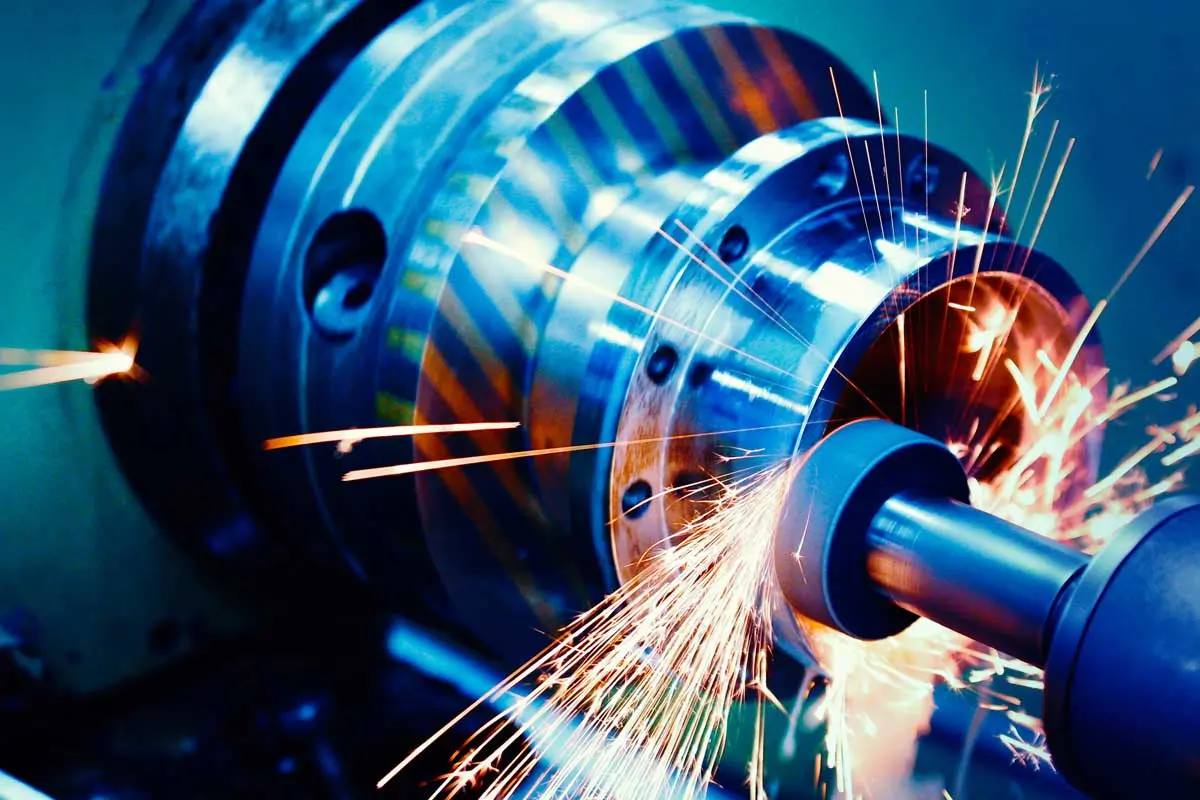
Modern OEM programs do not fail because of poor intent or lack of capability. They fail because complexity compounds faster than execution systems can absorb it.
As product designs evolve, tolerances tighten, variants increase, and launch timelines compress, risk no longer sits in any single process step. It accumulates across handoffs—between investment casting and machining, machining and finishing, finishing and assembly. And by the time issues surface, they are often expensive, time-consuming, and challenging to unwind.
For OEMs managing complex, multi-stage manufacturing programs, risk is no longer a theoretical concern. It is an operational reality that must be designed out of execution itself.
Where Risk Actually Enters OEM Manufacturing Programs
Most OEMs associate manufacturing risk with obvious failure points: rejected parts, missed tolerances, late deliveries. In practice, risk enters much earlier and far more quietly.
It begins when processes are planned in isolation.
Casting allowances defined without machining input. Machining strategies developed without an assembly context. Inspection plans finalized after tooling is already locked. Each decision may be technically sound on its own, but collectively they introduce variability that compounds as the program scales.
The result is not immediate failure, but fragility. A system that works at prototype volumes begins to struggle during ramp-up. Minor design changes trigger disproportionate rework. Quality issues emerge intermittently rather than consistently—making root cause analysis harder, not easier.
The Hidden Cost of Fragmented Execution
In traditional multi-supplier models, execution responsibility is fragmented by design. Each supplier optimizes their scope, often with limited visibility into upstream or downstream impact.
When something goes wrong, resolution becomes reactive. Engineering changes are issued. Inspection criteria are tightened. Schedules are adjusted. But these responses address symptoms, not structure.
The real cost is not just scrap or delay. It is the erosion of predictability. Program teams lose confidence in timelines. Buffer inventories grow. Change management slows. Risk becomes something to manage around rather than eliminate.
In complex OEM programs, unpredictability is the most expensive outcome of all.
Integrated Manufacturing Execution: A Risk-Reduction Framework
Integrated manufacturing execution addresses this problem at its source. It aligns engineering intent, process planning, quality control, and production execution into a single, coordinated system.
This does not mean doing everything in-house for convenience. It means ensuring that every stage—from raw material to finished assembly—is planned with downstream requirements in mind.
Casting geometry is defined with machining stability in view. Machining tolerances are set based on functional interfaces and assembly fitment. Inspection checkpoints are placed where variation can still be corrected, not merely detected.
When execution is integrated, risk is no longer discovered late. It is controlled early.
Engineering Alignment as a Risk Control Tool
One of the most effective ways to reduce execution risk is early engineering alignment across processes.
In integrated environments, engineering teams do not wait for finalized drawings to engage. They review functional requirements, tolerance stacks, and material behavior across stages, identify where variation is acceptable and where it is not, and plan fixtures, tooling, and inspection strategies with full awareness of how parts will be used—not just how they will be made.
This approach reduces dependency on downstream correction. Instead of tightening tolerances reactively, programs are stabilized proactively.
For OEMs, this translates into fewer late-stage surprises and more predictable ramp-ups.
Quality Embedded in the Process, Not Inspected at the End
Another major risk factor in complex programs is delayed quality feedback. When inspection is treated as a final gate rather than an integrated control, variation accumulates unnoticed.
Integrated execution embeds quality within the manufacturing flow. In-process inspections, controlled checkpoints, and documented process parameters ensure deviations are detected early—when corrective action is still economical.
This is especially critical in programs involving multiple variants or frequent design changes. Without embedded quality controls, each change introduces new uncertainty. With them, programs remain stable even as complexity increases.
Why Execution Discipline Matters More Than Capability
Most OEMs can find suppliers with impressive individual capabilities. Advanced machines. Tight tolerances. Global certifications.
What differentiates low-risk programs from high-risk ones is not capability—it is execution discipline.
Disciplined execution means processes are repeatable, changes are controlled, and accountability is clear. It means decisions made upstream are validated downstream. It means programs scale without re-engineering the manufacturing system each time volumes shift.
Integrated manufacturing execution provides this discipline by design.
Reducing Risk Across the Program Lifecycle
OEM programs rarely stand still. They evolve from prototypes to production, from single variants to families of products, from local supply to global distribution.
Integrated execution supports this evolution by maintaining continuity. The same engineering logic, quality framework, and execution model apply across stages. As volumes grow or designs change, the system adapts without losing control.
For OEMs, this reduces not just operational risk, but strategic risk—the risk of being locked into fragile supply chains that cannot scale or respond.
How Shilpan Steelcast Supports Risk-Resilient OEM Programs
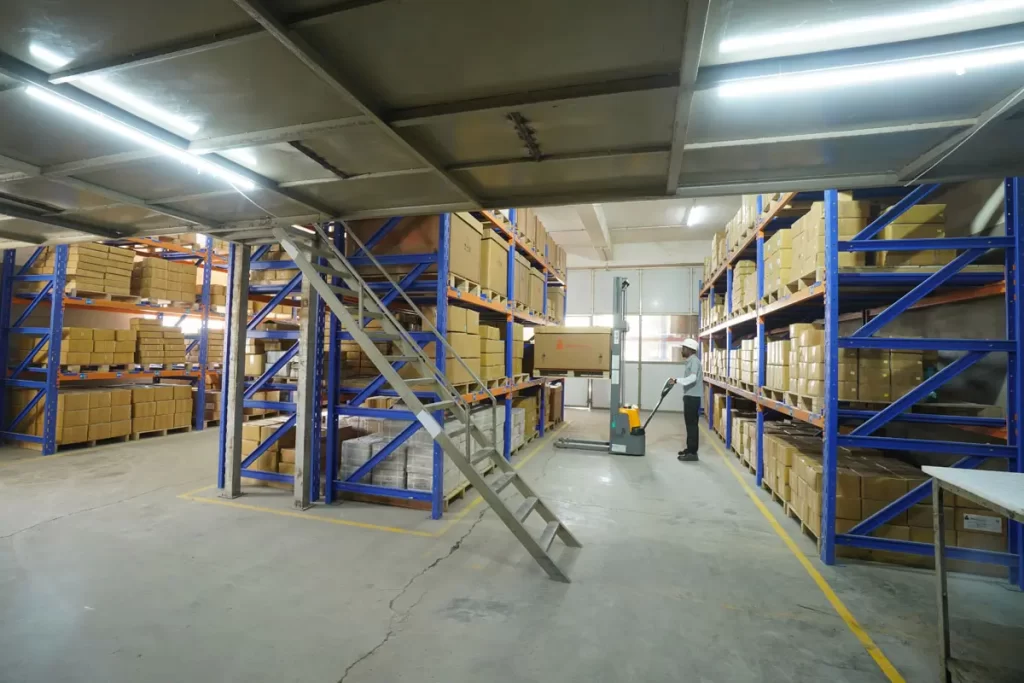
This execution-first approach reflects how Shilpan Steelcast structures its manufacturing operations today.
With integrated capabilities across investment casting, precision machining, and assembly, Shilpan Steelcast aligns engineering, process planning, and quality control under a unified execution framework. Programs are planned holistically—ensuring tolerances, interfaces, and inspection strategies remain consistent from casting through final assembly.
Rather than treating each stage as a separate responsibility, Shilpan Steelcast manages execution as a connected system. This reduces handoff risk, improves process stability, and supports OEM programs where predictability and accountability matter as much as technical performance.
For global OEMs operating complex programs, this integrated execution model helps reduce ramp-up risk, manage variation, and maintain confidence as programs scale.
Conclusion
In today’s manufacturing environment, risk cannot be eliminated solely through tighter controls. It is reduced through better system design.
Integrated manufacturing execution shifts risk management upstream into engineering alignment, process planning, and embedded quality. It transforms manufacturing from a series of isolated steps into a coordinated execution system.
If your OEM programs demand tighter control, predictable ramp-ups, and reduced execution risk across casting, machining, and assembly, working with an integrated manufacturing partner can make a measurable difference.
Talk to Shilpan Steelcast to explore how integrated manufacturing execution can support your next program with greater stability, accountability, and confidence.