-
Our Services
Explore Shilpan Steelcast's comprehensive suite of cutting-edge services, designed to meet the diverse needs of industries worldwide. Our cutting-edge solutions redefine metal manufacturing, ensuring excellence at every step.
View All SerivcesFrom precision investment casting to advanced machining and value-added solutions, we redefine excellence in metal manufacturing. Discover how our commitment to innovation and quality sets us apart and elevate your expectations with Shilpan Steelcast.
-
Manufacturing Facilities
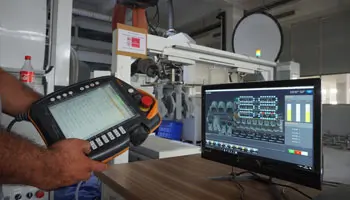
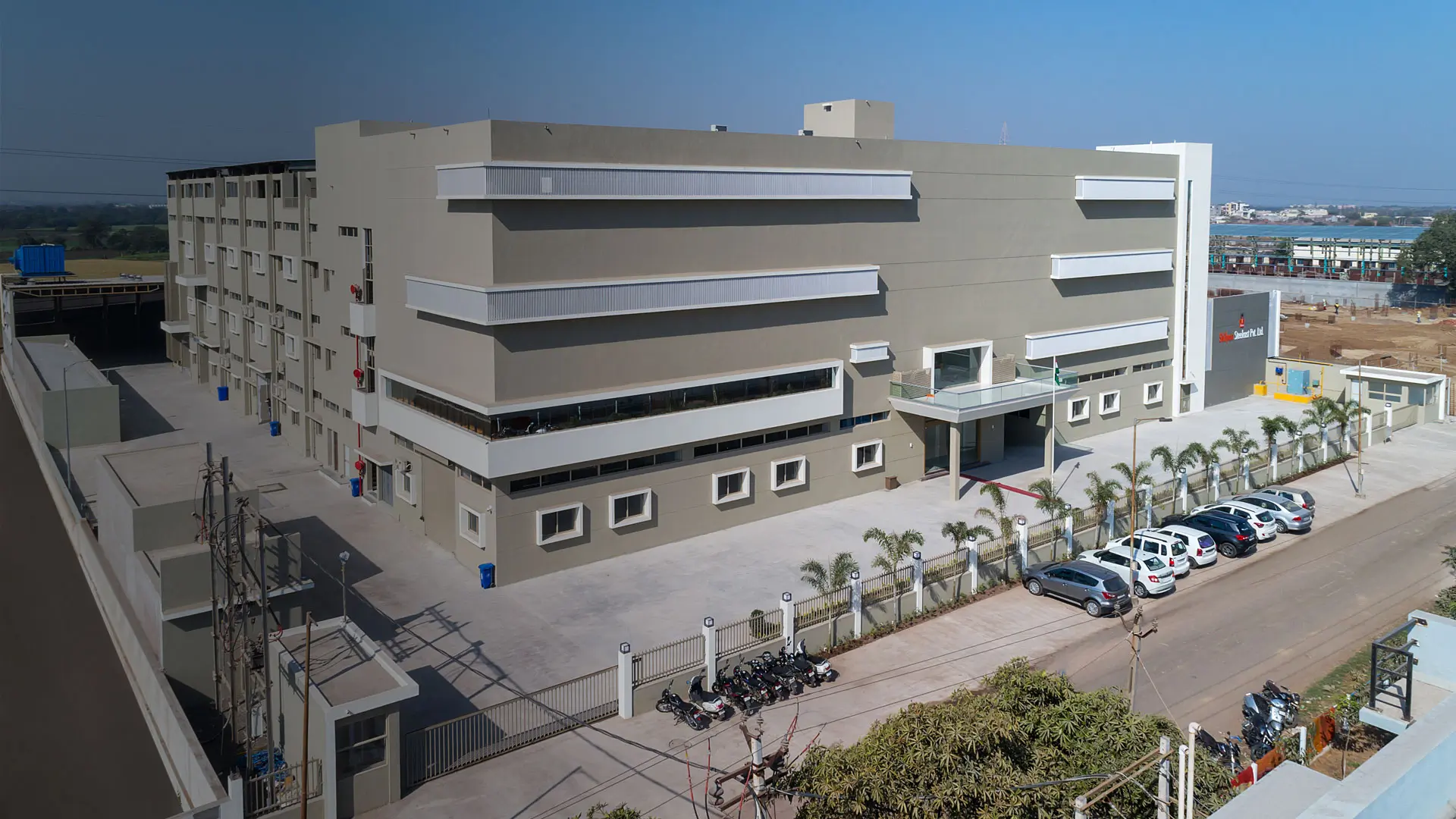
Discover our state-of-the-art facilities, seamlessly blending advanced technology with skilled craftsmanship. Our world-class infrastructure ensures precision and excellence in every aspect of metal manufacturing.
Setting the gold standard in investment casting manufacturing, Shilpan Steelcast proudly holds the International Casting Award for Best Conversion, a testament to our excellence in craftsmanship and technological innovation.
-
Industries We Serve
Shilpan Steelcast stands as a beacon of precision and innovation, serving a spectrum of industries with tailored metal solutions. Our dedication to excellence ensures that each component meets the distinctive requirements of different sectors.
With versatility and precision, Shilpan Steelcast delivers top-notch metal manufacturing solutions to diverse industries. Our expertise extends across critical sectors, ensuring that each component meets the stringent demands of various industries.
-
The Company
Shilpan Steelcast, an award-winning investment casting manufacturing company in India, leads with unrivaled precision in metal solutions. Renowned for excellence in investment casting and diverse metal manufacturing services, we seamlessly blend engineering expertise with cutting-edge processes, delivering innovative solutions globally.
From precision investment casting to advanced machining and value-added solutions, we redefine excellence in metal manufacturing. Discover how our commitment to innovation and quality sets us apart.
- News & Events
- Blog
- Careers
- Contact